
How to Keep Your Gums Healthy: A Simple Daily Routine That Really Works
Worried About Your Gums? You're Not Alone.
Maybe your gums feel a little tender when you brush. Or you've noticed some bleeding, and it's made you wonder—am I doing enough to take care of my gums? The truth is, a lot of people focus on their teeth and forget their gums play just as big a role in a healthy smile.
If you've been wondering how to keep gums healthy and avoid problems like gum disease, infection, or even tooth loss, this guide is for you. We'll walk you through an easy, proven routine—one that doesn’t require fancy tools or a huge time commitment.
Let’s dive into the small, everyday steps that make a big difference.

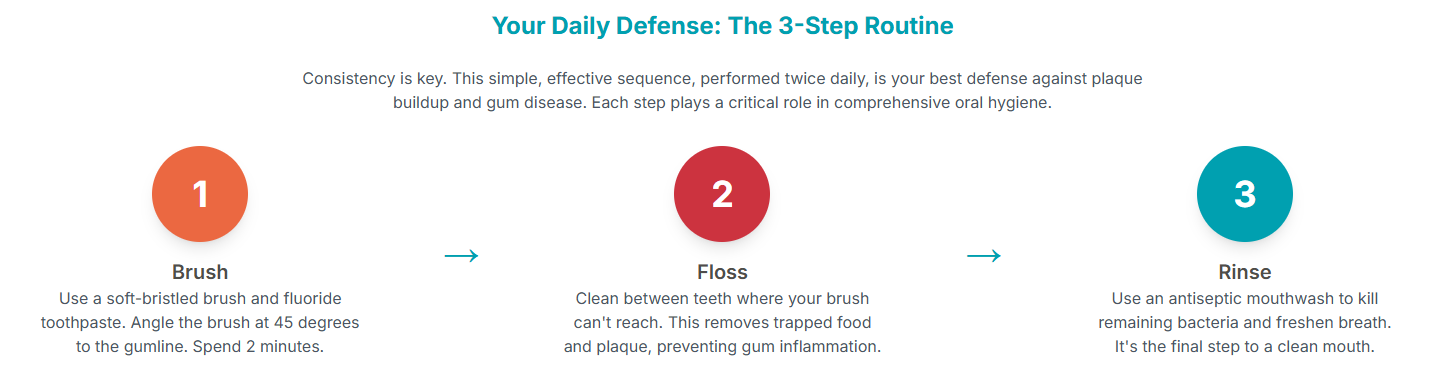
Step 1: Brush the Right Way—And Don’t Rush It
We all brush our teeth (hopefully!), but many people skip over the gum line or brush too hard. And that can do more harm than good.
Here’s what works best:
Use a soft-bristled toothbrush. It’s gentle on your gums and just as effective.
Brush for at least two minutes. Try splitting your mouth into four sections and spend 30 seconds on each.
Aim your brush at a 45-degree angle toward the gum line. This helps remove plaque that hides where your teeth meet your gums.
Pro tip: Electric toothbrushes with timers can help make this easier, and they’re often better at reducing plaque and gingivitis.
Step 2: Floss Like You Mean It
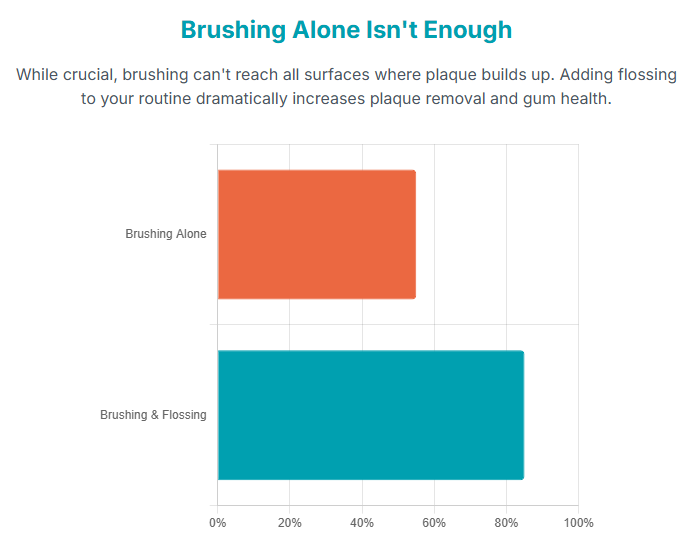
Yes, flossing feels like a chore. But skipping it leaves behind food and bacteria that brushing alone can’t reach. That gunk builds up between your teeth and under the gums—where it quietly causes inflammation.
Quick flossing guide:
Be gentle. Slide the floss between each tooth and curve it into a C-shape against the side of the tooth.
Don’t just pop it in and out. Go beneath the gum line a little—but never force it.
If traditional floss feels tricky, try:
Floss picks
Water flossers
Interdental brushes
All of these support your mission to keep gums healthy in a way that fits your lifestyle.

Step 3: Rinse Smart (Not Just with Water)
Mouthwash isn’t a replacement for brushing or flossing, but it can help reduce plaque, kill bacteria, and freshen your breath.
Look for antibacterial or alcohol-free mouthwashes that are labeled for gum health. Ingredients like chlorhexidine or essential oils can help prevent gum disease.
Some dentists also recommend fluoride rinses to strengthen your enamel—because healthy gums and strong teeth go hand-in-hand.

Step 4: Quit Smoking (Your Gums Will Thank You)
Tobacco use is one of the top risk factors for gum disease. It restricts blood flow, weakens your immune response, and hides the warning signs of inflammation.
If you smoke, quitting is one of the best things you can do to restore your smile and protect your overall oral health.
Need help quitting? Your dentist or doctor can point you toward local programs and nicotine alternatives that work.
Step 5: Watch What You Eat
Your diet affects more than your waistline—it shapes your gum health, too.
Good-for-your-gums foods:
Crunchy fruits and veggies (like apples and carrots) help scrub your teeth naturally.
Vitamin C-rich foods (like oranges, bell peppers, and strawberries) help fight gum inflammation.
Calcium sources (like dairy or fortified alternatives) strengthen the bones around your teeth.
Try to limit:
Sugary snacks and drinks
Acidic sodas or juices
Refined carbs that feed gum-harming bacteria
Step 6: Know the Signs of Trouble Early
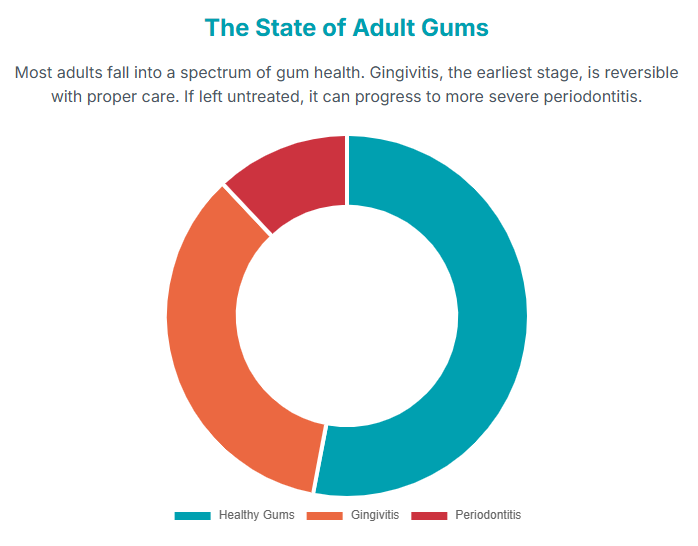
Here’s the thing—gum disease is sneaky. You might not feel pain until it’s more serious.
So it’s good to know the early warning signs:
Gums that bleed when brushing or flossing
Red, swollen, or tender gums
Persistent bad breath
Gums pulling away from your teeth
Changes in how your teeth fit together
If you notice any of these, it doesn’t mean it’s too late. But it’s a sign to take action—and fast.
Step 7: See Your Dentist Regularly (Not Just When Something Hurts)
Even if your gums feel fine, only your dentist can catch the early stages of gum disease or deep plaque buildup (called tartar) that your toothbrush can’t remove.
Most people benefit from a professional cleaning every 6 months, but your dentist might suggest more frequent visits depending on your gum health.
Look for a dentist who focuses on gum care, not just fillings and crowns. They’ll guide you through what your gums need right now—and what to watch for down the road.
Step 8: Consider a Deep Cleaning If You’re Behind on Care
If it’s been a while since your last cleaning—or if your gums are already showing signs of infection—your dentist may suggest a deep cleaning called scaling and root planing.
This isn’t scary, and it doesn’t mean you’ve failed. It’s just a more thorough way to remove the bacteria beneath your gum line so your gums can start healing.
💬 Bonus tip: Many people see improvement within weeks of starting this kind of care.
Step 9: Build a Routine You’ll Actually Stick To
You don’t need perfection—just consistency. Try setting small goals at first:
Brush and floss every night before bed.
Choose one healthy food swap this week.
Set a reminder to schedule that overdue cleaning.
Even tiny changes, done regularly, can help keep gums healthy for the long haul.
Keep Gums Healthy, Keep Your Smile Strong
Healthy gums are the foundation of a confident, lasting smile. They don’t just support your teeth—they protect your health. And the best part? You can take control of your gum health starting today.
Even if things aren’t perfect right now, it’s never too late to turn things around. Every small step counts.

Ready to Take the First Step?
If you’ve been wondering whether your gums are okay—or know they could use some help—why not book a visit with a dentist who specializes in gum care? Getting answers and a personalized plan can help you feel confident about your smile again.
👉 Schedule a gum health consultation today and give your smile the support it deserves.